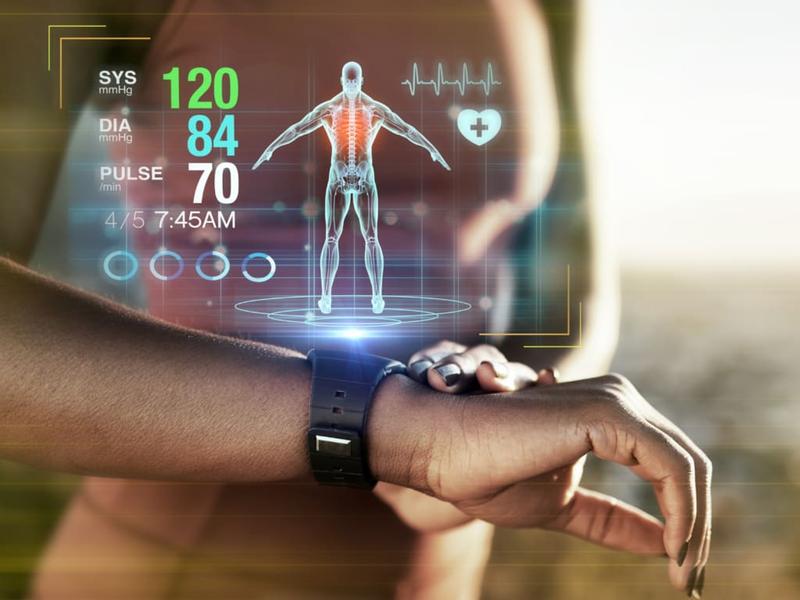
BMI is a 200-year-old tool invented by a Belgian mathematician who wasn't a physician, studying social physics, not medicine. In 10 years, we'll look back and wonder why we ever used it as a primary health metric. Here's what's replacing it — and what's not ready yet.
What's Here Now
1. Body composition analysis
DEXA, Bod Pod, and bioimpedance are already available. The problem is cost and accessibility. A DEXA scan costs $100-300. A smart scale costs $50. But smart scales are inaccurate. We need a $20 device that measures body composition accurately. We're not there yet.
2. Continuous glucose monitoring (CGM)
CGMs like FreeStyle Libre and Dexcom G6 are revolutionizing metabolic health. They show real-time glucose responses to food, exercise, sleep, and stress. I've put prediabetic patients on CGMs for 2-week periods, and the behavioral change is immediate. When you see your glucose spike to 180 after a bagel, you stop eating bagels.
The problem: CGMs require prescriptions in the US. They're $70-100 per month. And they're primarily designed for diabetics, not preventive health.
3. Wearable metabolic trackers
Devices like Lumen measure breath ketones to estimate metabolic fuel usage (carbs vs fat). It's clever, but the science is early. I've tried it. It's interesting but not clinically validated.
What's Coming Soon
1. AI-powered body composition from photos
Smartphone apps that estimate body fat percentage from photos. The technology exists — computer vision + machine learning. Accuracy is improving. In 3-5 years, this could be as accurate as bioimpedance.
2. Metabolic blood panels at home
Finger-prick devices that measure glucose, ketones, lipids, and inflammatory markers. Companies are working on this. The challenge is accuracy and FDA approval.
3. Integrated health platforms
Imagine a platform that combines: BMI + waist + body composition + CGM data + sleep + activity + nutrition logging + genetic risk. AI analyzes the patterns and gives personalized recommendations. This is 5-10 years away, but it's coming.
What Won't Change
Technology will improve measurement. But the fundamentals of metabolic health won't change:
- Move your body daily
- Eat whole foods, mostly plants, not too much
- Sleep 7-9 hours
- Manage stress
- Maintain social connection
No device, no algorithm, no calculator replaces these basics. The future of BMI isn't a better calculator. It's a better understanding that health is multidimensional, and weight is just one dimension.
I built the calculators on this site because patients asked for them. Because they wanted starting points. Because the existing calculators were oversimplified and sometimes harmful. But I hope that in 10 years, these calculators are obsolete. Replaced by something better. Something that truly captures the complexity of human metabolic health.
Until then, use BMI as a screening tool. Not a diagnostic. Not a target. And never, ever, let a number define your health.
— Dr. David Chen
